


In a world where leadership and teamwork are paramount to success, it is intriguing to observe the harmony between the U.S. Army’s Non-Commissioned Officer (NCO) Creed and the Scrum framework's values and pillars. This alignment sheds light on why NCOs may excel as Scrum Masters. Let's take a look at the connections and analyze the potential of NCOs in Agile environments.
The NCO Creed: The Backbone of Leadership
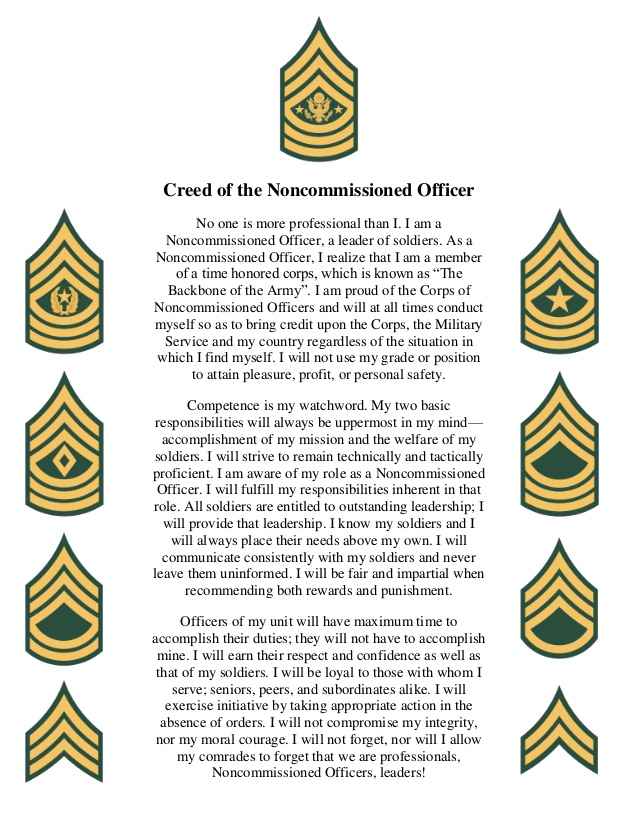
The Creed of the Non-CommissionedOfficer is a set of guiding principles outlining the responsibilities and expectations of NCOs. It focuses on professionalism, integrity, leadership, and dedication to the mission. The NCO Creed emphasizes commitment to leading and mentoring soldiers, communicating up and down the chain of command, and maintaining the highest level of readiness by taking responsibility for their actions.
Scrum Values and Pillars: The Foundation of Agile
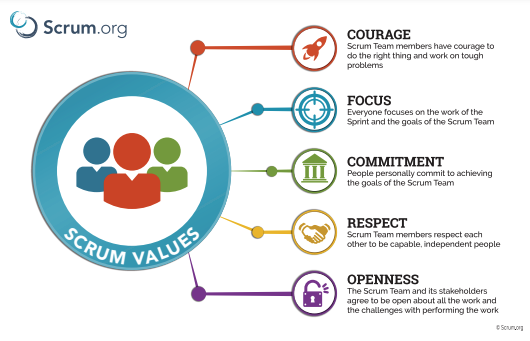
Scrum, an Agile framework, is built on three pillars: Transparency, Inspection, and Adaptation. These pillars are supported by five values - Commitment, Focus, Openness, Respect, and Courage.
How Do They Line Up?
1. Commitment and Dedication
Commitment is one of the Scrum values that resonates well with the NCO Creed. NCOs are committed to their units, missions, and soldiers. The dedication to these three elements aligns with theScrum value of commitment, which involves team members being dedicated to achieving the team’s goals and objectives.
2. Openness and Transparency
Openness is another Scrum value that aligns with the NCO Creed. In Scrum, openness involves sharing information and collaborating openly with team members. Similarly, NCOs foster open communication and transparency within their units through consistent communication up and down the chain of command. The transparency pillar inScrum echoes this sentiment and is essential for successful decision-making.
3. Inspection, Adaptation, and Readiness
Scrum's pillars of Inspection andAdaptation are akin to the NCO Creed's emphasis on readiness. NCOs are trained to continuously assess situations, make quick decisions, and adapt to changing circumstances. NCOs are used to operating in chaotic environments, making the best decisions possible with the information on hand at that time. Scrum encourages teams to regularly inspect their work and adapt their plans accordingly.
4. Respect and Professionalism
Respect is a core value in both Scrum and the NCO Creed. In Scrum, team members respect each other’s skills and contributions. The NCO Creed emphasizes respect for authority and the importance of earning the respect of soldiers through professionalism, integrity, and credibility. An NCO must be the master of their skills, both technical and tactical, to earn the trust and respect of their soldiers.
5. Courage and Leadership
Courage, the final Scrum value, is intrinsic to the NCO Creed. NCOs lead by example, face challenges head-on, and make tough decisions. In Scrum, courage involves the willingness to take risks and tackle difficult problems.
NCOs as Scrum Masters: A Natural Fit
Given the alignment between the NCOCreed and Scrum values and pillars, it is evident that NCOs are naturally equipped to take on the role of Scrum Masters.
Leadership and Facilitation
As leaders, good NCOs possess the skills to facilitate team communication, guide, and mentor. They coach their team to success. These skills are vital for Scrum Masters, who need to facilitate Scrum events and help teams collaborate effectively.
Adaptability and Problem Solving
NCOs’ ability to adapt to changing conditions and solve complex problems is invaluable in Scrum environments. AsScrum Masters, they can help teams navigate obstacles and adapt to changes in requirements or priorities.
Building Trust
NCOs understand the importance of building trust and fostering a sense of belonging. As Scrum Masters, this skill is invaluable in creating an environment where team members feel valued and are willing to collaborate openly.
Conclusion
The alignment between the NCO Creed and the Scrum values and pillars lays the foundation for NCOs to excel as ScrumMasters. Their inherent leadership qualities, adaptability, commitment, and ability to build an environment of trust make them well-suited for guiding teams in Agile environments. As more organizations embrace Agile methodologies, the leadership and adaptability that NCOs bring could be the catalyst for change and success in many projects.



Built by T.J. Reeves, Hiro Kon, Logan Lawson, and Larry Cook
Powered by Webflow.